
Columbia CDJRF Service
- HOME
- SERVICE
- SERVICE FINANCING
- QUICK SERVICES
- SPECIAL OFFERS
- BLOG
- ABOUT US
- 1001 Lancaster Avenue Reading, PA 19607
-
Columbia CDJRF ServiceReviewsAddress106 S. James Campbell Blvd
Columbia TN 38401
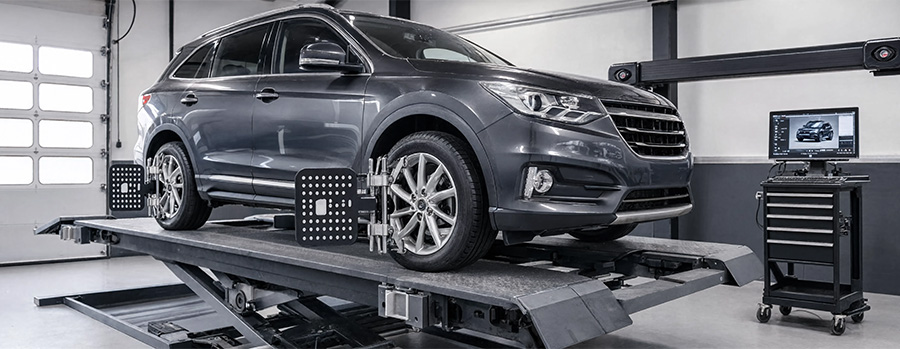
Wheel alignment is one of those maintenance services that is easy to overlook. Your vehicle may continue driving even when its alignment is slightly out of specification, but that doesn't mean the problem should be ignored.
Over time, poor alignment can contribute to
uneven tire wear, less predictable handling, and unnecessary strain on your
tires and suspension.
For drivers in Columbia and throughout
Middle Tennessee, changing road conditions, potholes, construction zones, and
everyday driving can all contribute to alignment problems.
At Columbia Chrysler Dodge Jeep Ram FIAT,
trained service technicians can inspect your vehicle's alignment and help
determine whether an adjustment or additional suspension service is needed.
You may hear drivers refer to this
service as a car alignment, vehicle alignment, or tire alignment. While the
terminology varies, the service involves adjusting the angles of the wheels and
suspension, so they meet the vehicle manufacturer's
specifications.
During an alignment, technicians may
measure three primary angles:
Caster:The angle of the steering pivot, which influences steering stability and how
the steering wheel returns after a turn.
Toe:The direction the tires point relative to one another when viewed from above.
When these angles are within
specification, your vehicle can track more consistently, steering response can
feel more predictable, and your tires can wear more evenly.
Alignment problems don't always announce
themselves with a dramatic symptom. Sometimes the first indication is a subtle
change in how your vehicle feels.
If you're driving around Columbia, taking
I-65 toward Spring Hill or Franklin, or simply navigating local roads, pay
attention to the following signs.
One of the most recognizable signs of an
alignment issue is a vehicle that consistently drifts toward one side of the
road.
If you're driving on a relatively
straight, level road and find yourself making constant steering corrections to
keep the vehicle centered, your alignment could be out of specification.
Incorrect camber or toe settings can
contribute to pulling, although tire pressure differences, tire condition, and
worn suspension components can create similar symptoms.
That's why an inspection is important
before assuming alignment is the only issue.
Take a look at your tires from time to
time. Your tread should generally wear consistently
across the tire.
If the inside or outside edge of a tire
is wearing considerably faster than the center, or one tire is wearing
differently from the others, an alignment problem could be contributing.
This matters because tires aren't an
inexpensive part of vehicle ownership. Uneven wear can shorten their usable
life and potentially affect traction.
For Middle Tennessee drivers dealing with
everything from everyday commuting to wet roads and highway travel, maintaining
healthy, evenly worn tires is especially important.
If your vehicle is traveling straight but
your steering wheel sits noticeably turned to one side, it's worth having the
alignment checked.
An off-center steering wheel can indicate
that the suspension angles aren't correctly positioned.
You may get used to holding the wheel
slightly off-center, but don't assume that makes the condition normal. A
professional inspection can determine whether alignment adjustment or another
steering or suspension repair is appropriate.
Does your vehicle feel like it requires
constant steering corrections at highway speeds?
Does it seem to wander rather than
tracking confidently in a straight line?
Alignment can be one possible cause.
A properly maintained vehicle should
respond predictably to steering inputs. If the steering suddenly feels vague or the vehicle doesn't seem to hold its line as
it normally does, it's worth having the tires, alignment, steering, and
suspension inspected.
This is particularly important if you
frequently travel longer stretches of highway
between Columbia and communities such as Spring Hill or Franklin.
Unexpected tire squealing isn't always
caused by aggressive driving.
If your tires make unusual noise during
ordinary turns, improper alignment could be causing them to scrub against the
pavement instead of rolling smoothly.
Excessive toe or other alignment problems
can contribute to this type of tire wear and noise.
However, tires, suspension components,
and road conditions can also play a role. An inspection can help identify the
actual source instead of simply guessing.
Alignment issues can happen even if you
consider yourself a careful driver.
Some of the most common causes include:
Middle Tennessee roads can change
considerably from one route to another. A vehicle that spends most of its time
on smooth highway pavement may experience very different conditions from one
regularly driven on rougher local roads.
And you don't necessarily need to
remember a major pothole impact for an alignment problem to develop. Small
impacts over time can gradually affect suspension geometry.
A properly aligned vehicle isn't just
about keeping the steering wheel straight.
When your wheels aren't properly aligned,
certain portions of your tires can wear faster than others.
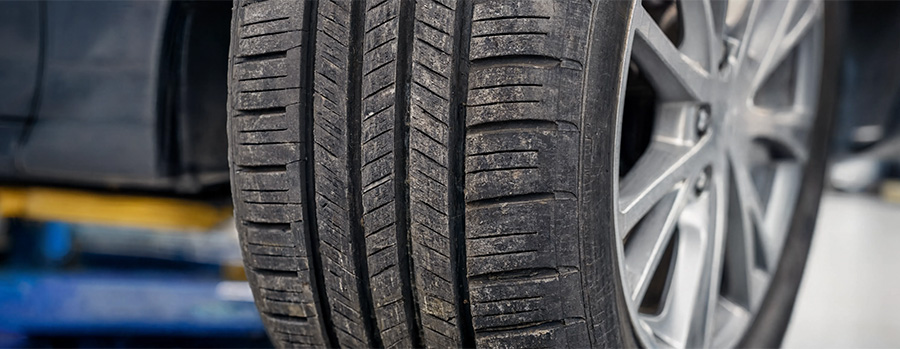
Correcting an alignment issue can help
promote more even tread wear, allowing you to get more value from your tires.
Misaligned wheels can create additional
rolling resistance. While alignment is only one factor affecting fuel economy,
maintaining the correct suspension geometry can help your vehicle roll more
efficiently.
Correct alignment helps your vehicle
respond consistently to steering inputs.
That can be particularly important when
changing lanes, navigating curves, or traveling at highway speeds.
A vehicle that tracks properly requires
fewer steering corrections. For a daily commute or longer drive through Middle
Tennessee, that can make the driving experience feel smoother and less tiring.
You don't always have to wait for a
noticeable problem before checking your alignment.
Consider scheduling a vehicle
alignment in Columbia if:
It's also worth having your alignment
inspected if your vehicle's handling feels different from what you're
accustomed to.
A small change in steering feel can be
useful information for a technician.
A standard wheel alignment can often be
completed in around an hour, although actual service time depends on the
vehicle and its condition.
If the inspection identifies worn
steering or suspension components, those issues may need to be addressed before
the alignment can be completed accurately.
That's an important distinction.
An alignment adjusts the vehicle's
suspension angles. It cannot compensate for a damaged or significantly worn
component. If something is preventing the vehicle from maintaining the correct
geometry, that issue needs to be addressed first.
Alignment problems don't always begin
with an obvious mechanical failure.
Sometimes it's a steering wheel that
isn't quite centered. Sometimes it's a vehicle that slowly drifts toward one
side. Sometimes it's a tire wearing differently from the others.
Those small changes are worth paying
attention to.
If you've noticed pulling, wandering,
uneven tire wear, unusual tire noise, or an off-center steering wheel, schedule
an inspection rather than waiting for the problem to become more noticeable.
Protect your tires, maintain confident handling, and keep your vehicle ready for every mile across Columbia and Middle Tennessee.