
Columbia CDJRF Service
- HOME
- SERVICE
- SERVICE FINANCING
- QUICK SERVICES
- SPECIAL OFFERS
- BLOG
- ABOUT US
- 1001 Lancaster Avenue Reading, PA 19607
-
Columbia CDJRF ServiceReviewsAddress106 S. James Campbell Blvd
Columbia TN 38401
A lot of expensive repairs start with five words:
"I'll do it next month.”
Most drivers don't think much about a Jeep oil change until something
gets their attention. Usually, it's not at a convenient moment.
Between Tennessee's hot summers, changing seasonal temperatures,
stop-and-go traffic around James Campbell Boulevard, and weekend drives across
Middle Tennessee, engine oil in your Jeep often works harder than many drivers
realize.
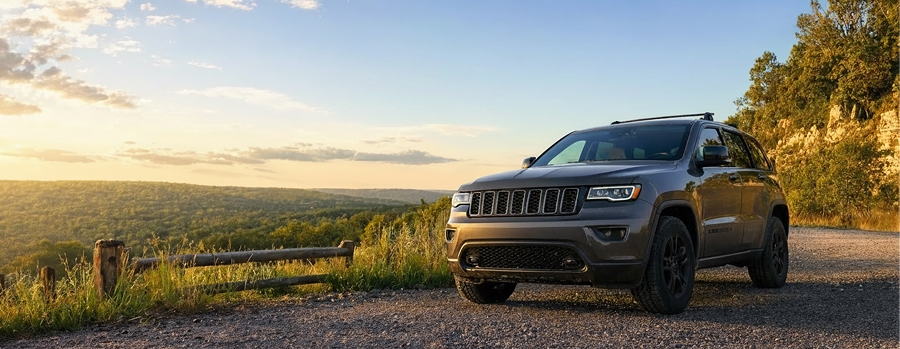
At Columbia Chrysler Dodge Jeep Ram FIAT, we see it all the time.
Drivers come in concerned about engine noise, warning lights, or sluggish
performance, only to discover the issue may have started with overdue oil
service. Routine Jeep oil changes are one of the simplest ways to help protect
your engine and potentially avoid larger repairs later.
Because dependable is always cheaper than dramatic.
In this guide, we'll cover everything you need to know, from when to
schedule service and warning signs to watch for to how to reset the oil change
light on your Jeep.
Not every mile affects your engine the same way.
For many Jeep owners around Columbia and Maury County, everyday driving
can include conditions that place additional demands on engine oil.
Tennessee's summer heat can put extra stress on your engine, while
colder mornings during the winter months can make engines work harder during
startup. Frequent short trips around Columbia may not always allow your engine
to reach its ideal operating temperature, while daily traffic around James
Campbell Boulevard, Nashville Highway, and nearby I-65 can mean plenty of
stop-and-go driving.
And if you regularly take your Jeep camping, towing, or exploring
Tennessee's outdoor destinations, your engine may be working even harder.
A routine Jeep oil service helps support:
·
Reduced engine wear through proper lubrication
·
Better temperature control during hot-weather driving
·
Cleaner engine internals by helping prevent sludge buildup
·
Smoother performance and improved fuel efficiency
·
Longer engine life over time
Routine maintenance isn't just another item on your checklist. It's one
of the easiest ways to reduce unnecessary engine wear before it becomes an
expensive repair.
Which brings us to the next question...
There's no single mileage interval that fits every Jeep.
Your recommended oil change schedule can depend on your specific model,
engine, oil type, driving habits, and manufacturer maintenance recommendations.
Your owner's manual and Jeep's oil life monitoring system can help determine
when service is due.
You may need to pay closer attention to oil service if you frequently:
·
Drive off-road
·
Tow trailers
·
Spend time in heavy traffic
·
Travel on dusty or gravel roads
·
Make frequent short trips
·
Drive in extreme temperatures
Signs your Jeep may be due for an oil change include:
·
An Oil Change Due or maintenance reminder appears
·
Dark or dirty engine oil
·
Rougher engine performance
·
Reduced fuel economy
·
Ticking or knocking sounds
·
A burning oil smell
If your Jeep is giving subtle warnings, it's usually worth checking
before they become expensive ones.
Because engines rarely get cheaper when ignored.
An oil warning light can make any driver nervous.
Sometimes the issue may be related to low engine oil. Other times, it
could involve an oil pressure sensor or another part of the lubrication system.
If oil pressure is genuinely dropping—or a sensor is reporting an
incorrect reading—it deserves prompt attention.
Possible causes can include:
·
Low engine oil
·
Oil leaks
·
Sludge restricting oil passages
·
A faulty oil pressure sensor
·
Oil pump concerns
·
Overdue maintenance
Don't ignore an oil pressure warning.
"I'll check it next week” has started many expensive repair stories.
If an oil pressure warning light appears, safely stop when appropriate
and follow the recommendations in your owner's manual. A professional
inspection can help identify the cause.
After completing an oil change, you'll need to reset the oil life
monitor.
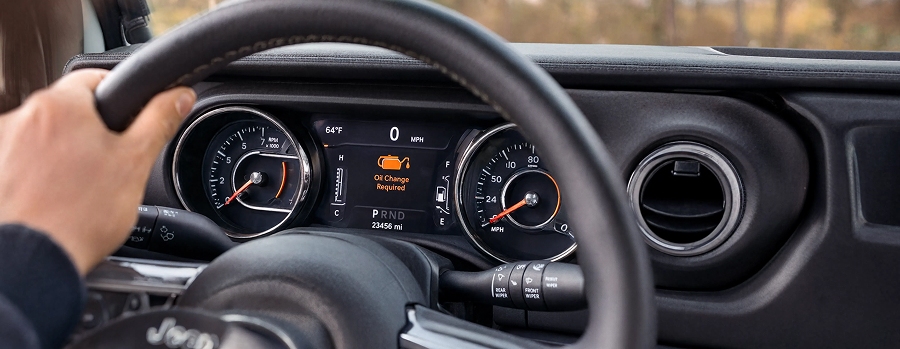
On many Jeep models, the process is straightforward.
Step 1: Turn the ignition to ON without starting the engine.
For push-button start models, press the start button without pressing
the brake pedal.
Step 2: Slowly press the accelerator pedal fully three times within 10
seconds.
Step 3: Turn the ignition completely off.
Step 4: Start the Jeep and verify that the oil change message has cleared.
Some newer Jeep models may allow the oil life monitor to be reset
through the digital instrument cluster using steering wheel controls.
If the reminder remains, consult your owner's manual or visit Columbia
Chrysler Dodge Jeep Ram FIAT for assistance.
And remember: resetting the reminder does not replace the oil. It simply
resets the maintenance notification.
This is where "I'll do it next month” can start becoming
expensive.
Over time, engine oil can become contaminated and lose some of its
ability to protect critical engine components. Delaying recommended service may
contribute to:
·
Sludge buildup
·
Increased engine wear
·
Reduced fuel efficiency
·
Higher operating temperatures
·
Potentially costly engine repairs
Routine maintenance is almost always less expensive than major repairs.
Almost boringly true.
The right oil for your Jeep depends on the model, engine, manufacturer
specifications, mileage, and driving conditions.
Factor
Conventional Oil
Synthetic Oil
Heat Protection
Standard protection
Designed for stronger performance in demanding temperatures
Oil Life
May require shorter service intervals
Often provides longer-lasting protection
Engine Cleanliness
Basic deposit protection
Helps resist deposits and sludge buildup
Best For
Some older vehicles and lighter driving
Many modern vehicles and demanding driving conditions
Many modern Jeep models specify synthetic or synthetic-blend oil. Always
follow the oil grade and specification listed in your owner's manual.
For Columbia drivers dealing with Tennessee heat, highway miles on I-65,
local stop-and-go traffic, or towing and outdoor adventures, using the
manufacturer-recommended oil is especially important.
Our service team can help recommend the appropriate oil for your
specific Jeep.
A professional oil change can involve more than simply draining old oil
and adding new oil.
It's also an opportunity to inspect other vehicle systems and catch
developing concerns early.
Depending on your vehicle and service package, a Jeep oil service may
include:
·
Engine oil replacement
·
Oil filter replacement
·
Fluid level inspection
·
Tire pressure check
·
Battery inspection
·
Brake visual inspection
·
Belt and hose inspection
Think of it as routine maintenance with a second set of expert eyes.
Preventing repairs you never have to pay for? That's a win.
A routine Jeep oil change may not be the most exciting item on your
calendar, but it's one of the smartest investments you can make in your
vehicle.
Whether you're commuting through Columbia, traveling around Maury
County, heading toward Nashville, or taking a road trip across Tennessee,
staying on top of oil service can help keep your Jeep ready for the miles
ahead.
If you're searching for a Jeep oil change near me, need help with an oil
change reminder, or simply want professional maintenance for your Jeep, the
service team at Columbia Chrysler Dodge Jeep Ram FIAT is here to help.
Using manufacturer-recommended parts, filters, and oil, our team is
committed to helping keep your Jeep ready for wherever the road or trail takes
you.
Ready for your next Jeep oil change? Schedule your service appointment at Columbia CDJRF today and keep your Jeep prepared for every mile ahead.